Why Mistakes Matter
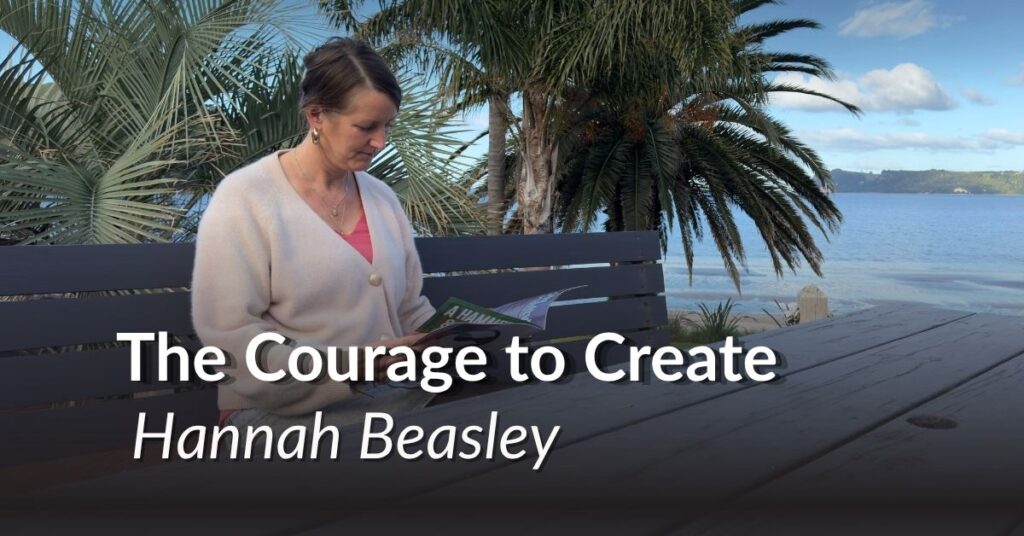
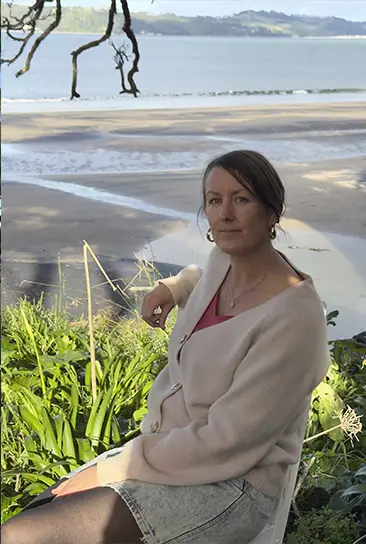
She sits on the deck as the light softens over the hills, the distant sound of waves rolling in beyond the pōhutukawa. The page in front of her is blank. She’s been meaning to start for weeks – maybe sketching, maybe writing – but now that she finally has the time, she hesitates. The pencil hovers, then drops back onto the table. It’s easier to put the jug on and leave it for another day.
It’s a familiar moment. Not because we lack ideas – but because we haven’t yet given ourselves permission.
Creativity is often described as expansive and expressive. It allows us to explore possibilities, make connections, and see the world differently.
But despite all of that potential, creativity rarely begins in ideal conditions. It doesn’t require a studio or expensive materials. It starts with something much simpler – and much harder. Psychological permission.
For many of us, the barrier isn’t a lack of space or resources. It’s the quiet belief that we’re ‘not creative’, or that creativity belongs to other people – artists, makers, those who know more or are naturally talented.
Of course, physical space is a factor. Warmth, natural light, and a cleared surface can help the creative juices flow.
But these physicalities are secondary.
Without a sense of internal freedom, even the most carefully prepared space won’t lead to meaningful creativity. What matters most is starting – with whatever is available.
This is often where things can begin to unravel: not at the beginning, but soon after.
You gather a few ideas, save some inspiration, maybe watch a tutorial or two. You give it a go. But what comes out isn’t quite what you imagined. It feels awkward, unfinished, not quite right. After a few attempts, the project is quietly set aside.
In a world of polished feeds and rapid perfection, it’s easy to assume that creativity should look (and feel) good from the beginning. We’re used to seeing the finished product, not the hours invested in the rejected ideas and failed processes. So, when our own efforts don’t measure up, we withdraw.
As educator Ken Robinson observed, “If you’re not prepared to be wrong, you’ll never come up with anything original.” Creativity isn’t about getting it right the first time. It is about getting it wrong, often repeatedly, and learning from those mistakes.
Moving from hesitation to action.
As producer Rick Rubin puts it, “There is no wrong way. Only your way.”
It’s tempting to look outward, but the shift is mostly internal. It’s there in small, deliberate choices: giving yourself permission to begin, making time (even in short bursts), gathering and refreshing inspiration, noticing patterns, and allowing space to play.
Developing creativity isn’t about producing something satisfactory. It’s about learning to notice. Put simply and beautifully, the late David Hockney said that, “Art is about learning to see things differently, to discover new possibilities in the world around us”. This isn’t something you can force. And one of the biggest pitfalls is trying to think like an ‘artist’. Let that go. Think like you. Notice what you love and then reflect on it.
Keep an informal collection of inspiration – anything that captures your attention. It might be the shifting colours of the sea at Cathedral Cove or the texture in a magazine photo. Over time, these fragments begin to connect in unexpected ways, showing stories, waiting to be observed.
… And then there are the mistakes and frustration.
Creativity can be deeply challenging. It requires us to trust the process and sit with discomfort when the inevitable errors occur. We have to dig in, resist the urge to abandon something just because it isn’t going ‘to plan’. That builds resilience and patience.
Next, a shift in our thinking is required. It’s time to trial an alternative method or material. Seek an alternative solution. Mistakes are a signpost that we are, in fact, making progress. They indicate that we need to keep going, not to stop. Because value isn’t only in what you produce. It’s in what the process builds. Trust the process.
So, I encourage you to shift your thinking – reimagine yourself not as someone who ‘is’ or ‘isn’t’ creative, but as someone who is willing to begin.
Hannah Beasley is a researcher, educator, writer, and community practitioner exploring creativity, human potential, and the environments that help people thrive.
Words by Hannah Beasley
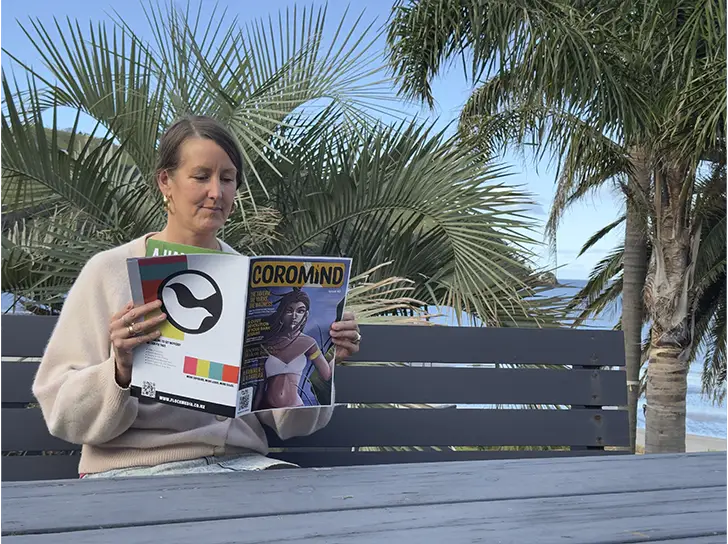
Coromind: Coromandel’s Collaborative Magazine

Help us take Coromind Magazine to new heights by becoming a member. Click here
Change the Weather for Your Business: Advertise with Us.
Advertise your business in the whole Hauraki Coromandel in the coolest Coromandel Art Magazine, from Waihi Beach/Paeroa /Thames up to the Great Barrier Island.
Advertise Smarter, Not Harder: Get in Touch