Boating with Care
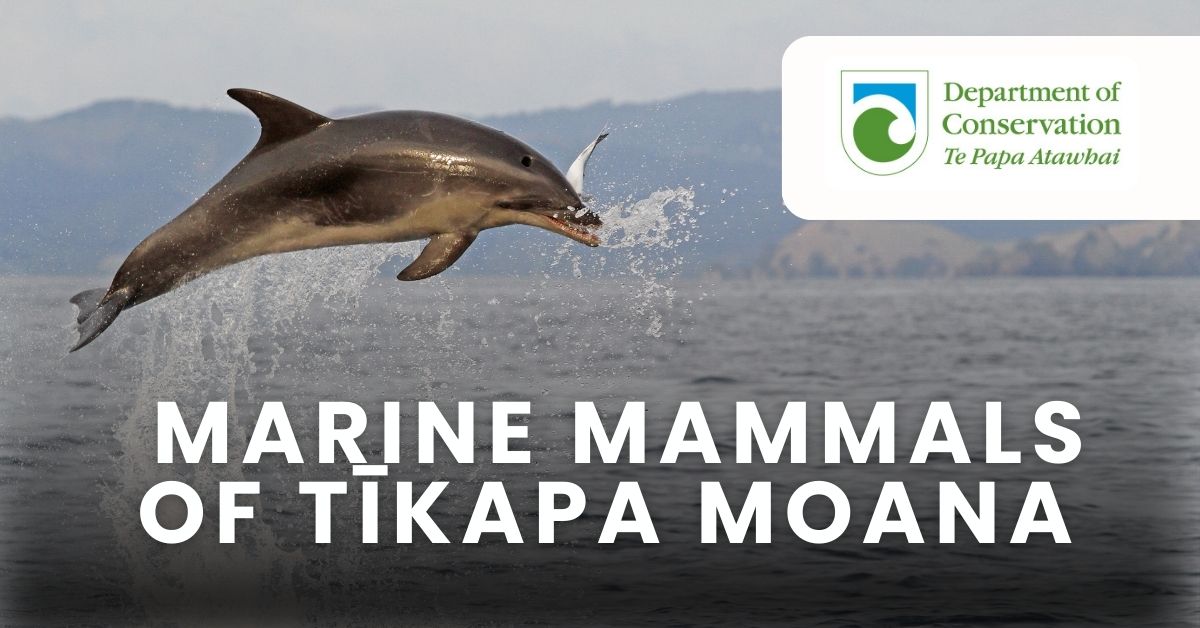
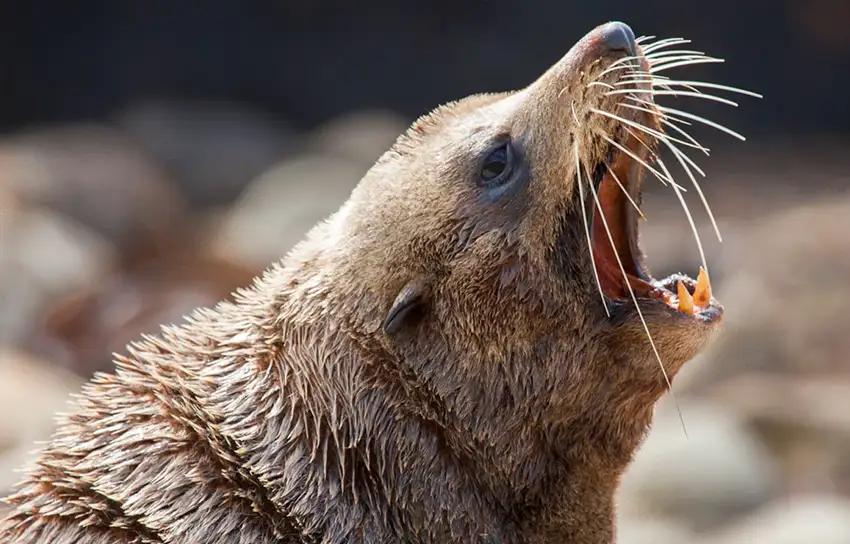
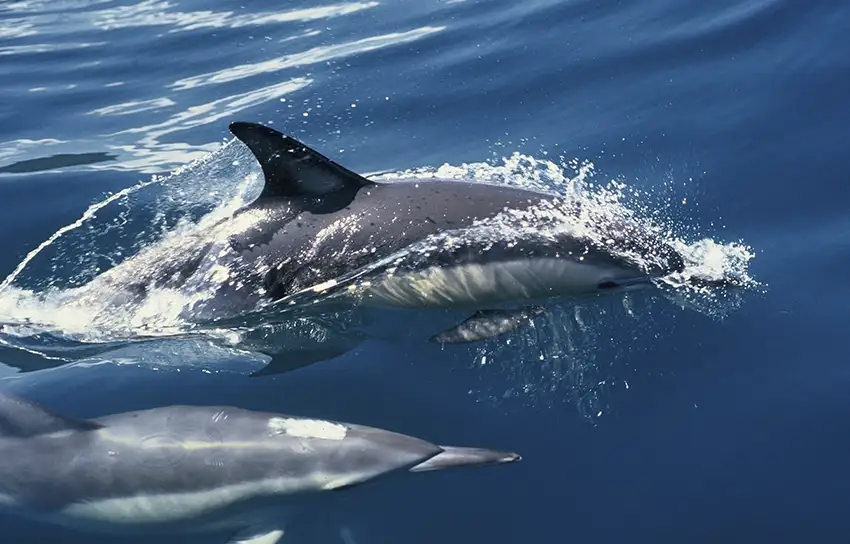
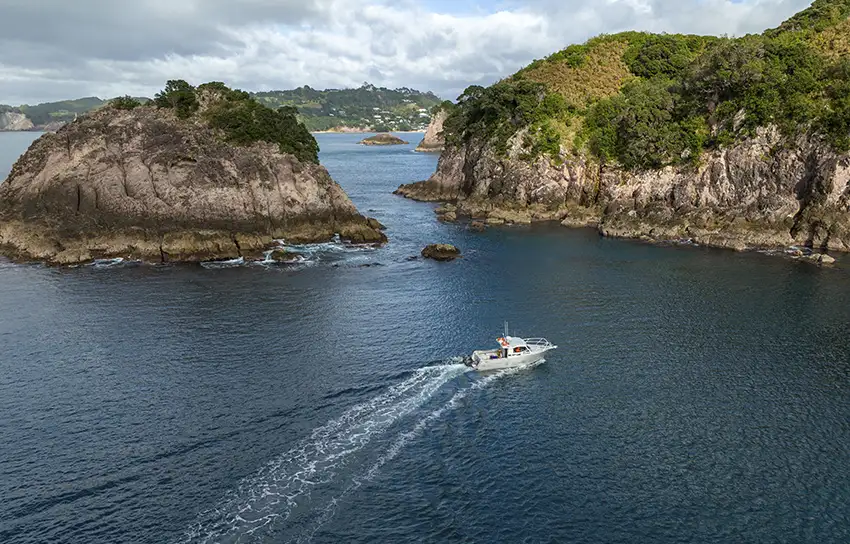
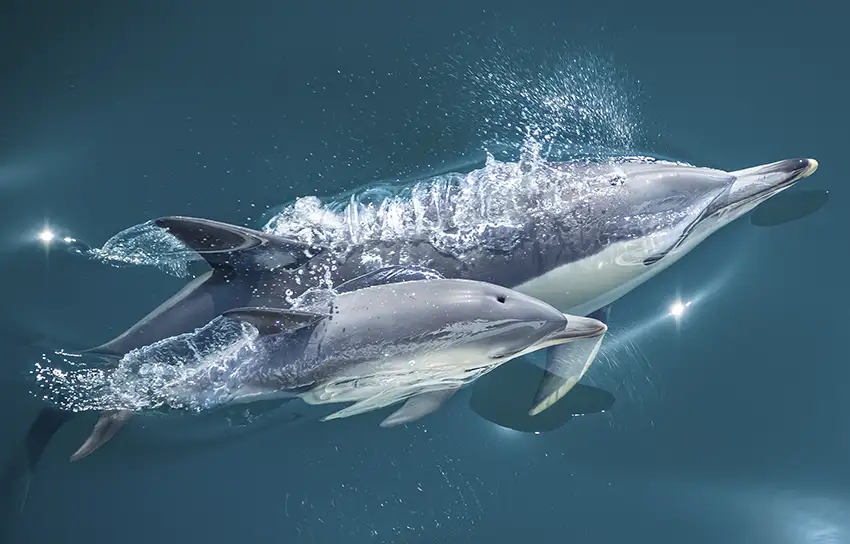
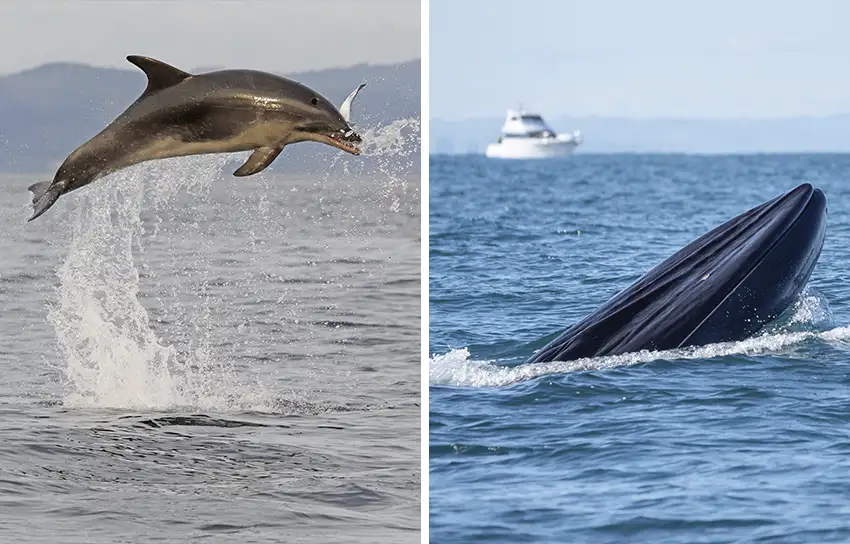
Summer brings more people onto Tīkapa Moana / the Hauraki Gulf, one of Aotearoa’s richest marine habitats. The Gulf has high species diversity, with year-round populations of Bryde’s whales (tohorā), common dolphins (aihe), bottlenose dolphins (terehu), and fur seals (kekeno).
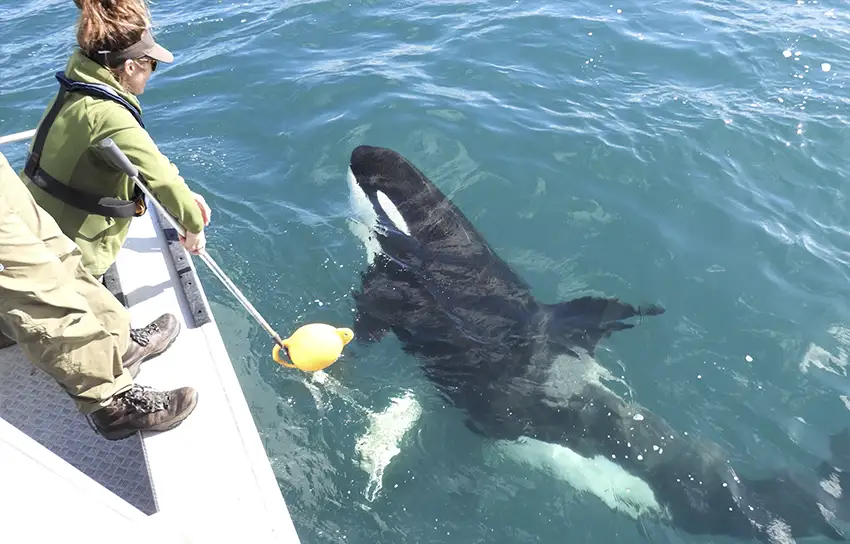
There are also regular sightings of killer whales (maki), false killer whales, and long-finned pilot whales (ūpokohue), along with occasional visits from other baleen whales (tohorā) and beaked whales. In total, around 25 marine mammal species have been recorded here.
For many boaties, these encounters are unforgettable. By practising naturing – enjoying and caring for nature in ways that keep it healthy – we can all help these marine mammals thrive. Marine mammals need space to rest, feed, and care for their young.
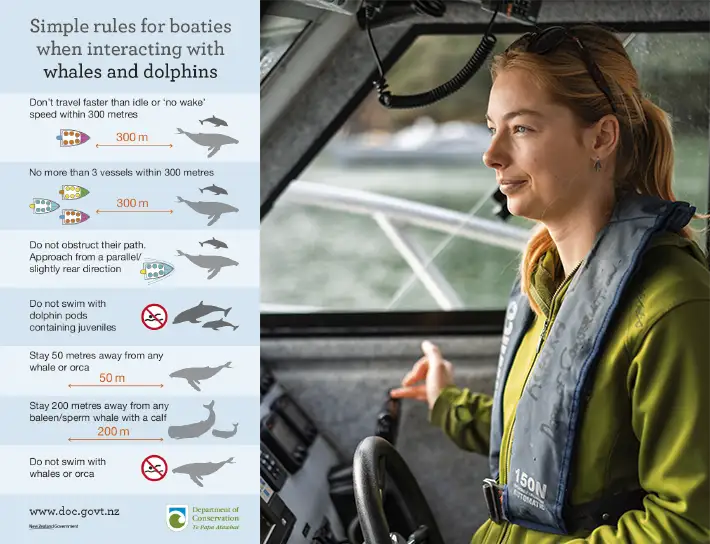
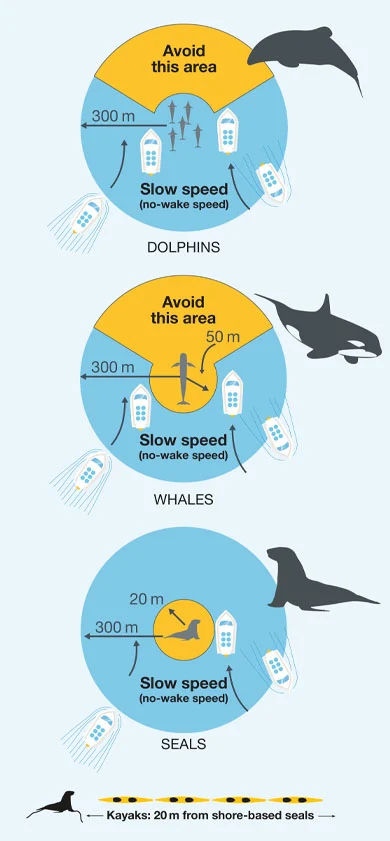
“When you’re within 300 metres of whales or dolphins, slow to idle speed and give them plenty of room,” says Marie Everth, DOC Marine Reserves Ranger. “A little space makes a big difference to their wellbeing.”
Simple Ways to Protect Marine Mammals
“People don’t always realise how much disturbance fast boats or loud engines can cause,” Marie says.
- Keep 50 metres away – more for mothers and calves.
- Approach only from behind or the side.
- Avoid loud noise, sudden movements, or circling animals. Leave the area if they show signs of disturbance.
- Limit to three vessels (including aircraft/drones) within 300 metres.
- Keep drones and aircraft at least 150 metres away and avoid flying or casting a shadow directly over the animals.
“Most boaties want to do the right thing,” Marie says. “Once they know the rules, they’re happy to follow them.”
DOC Response and How to Help
DOC is the lead agency for responding to sick, injured, or stranded marine mammals. If you find a whale, dolphin, or seal that is distressed, entangled, stranded, or dead, call 0800 DOC HOT (0800 362 468) immediately. The location of the marine mammal, along with photos and videos, if possible, is also helpful for the rangers who are responding.
Strandings are managed through a structured response that prioritises animal welfare and public safety. DOC teams work alongside trained volunteers – such as Project Jonah – and local iwi to stabilise, assess, and, where possible, refloat the animals, while ensuring the process respects cultural values and tikanga.
“The best help you can give is phoning us straight away,” Marie says. “A quick call gives the animal its best chance.”
SMART Training
For local operators, DOC offers SMART (Sustainable Marine Mammal Actions in Recreational Tourism) training in Whitianga for commercial tourism operators and marine industry staff.
“SMART gives professionals the guidance they need to operate safely around marine mammals,” says Marie.
By slowing down on the water and giving wildlife space, you help protect the dolphins, whales, and seals that make Tīkapa Moana / the Hauraki Gulf so special.
For more information head to: Sharing our coasts with marine mammals
Click here to download the pdf – marine-mammal-regulations-summary
“Spot a whale or dolphin? Report it using the SeaSpotter app! Every sighting helps scientists track population sizes, breeding rates, and movement patterns – vital for protecting these species,” says Marie.
To learn more about marine mammal identification, visit:
Marine mammal sighting form: Conservation
Marin mammal identification cards -whales
Whale identification posters
Coromind: Coromandel’s Collaborative Magazine

Help us take Coromind Magazine to new heights by becoming a member. Click here
Change the Weather for Your Business: Advertise with Us.
Advertise your business in the whole Hauraki Coromandel in the coolest Coromandel Art Magazine, from Waihi Beach/Paeroa /Thames up to the Great Barrier Island.
Advertise Smarter, Not Harder: Get in Touch