Helping Coromandel Forests Regenerate
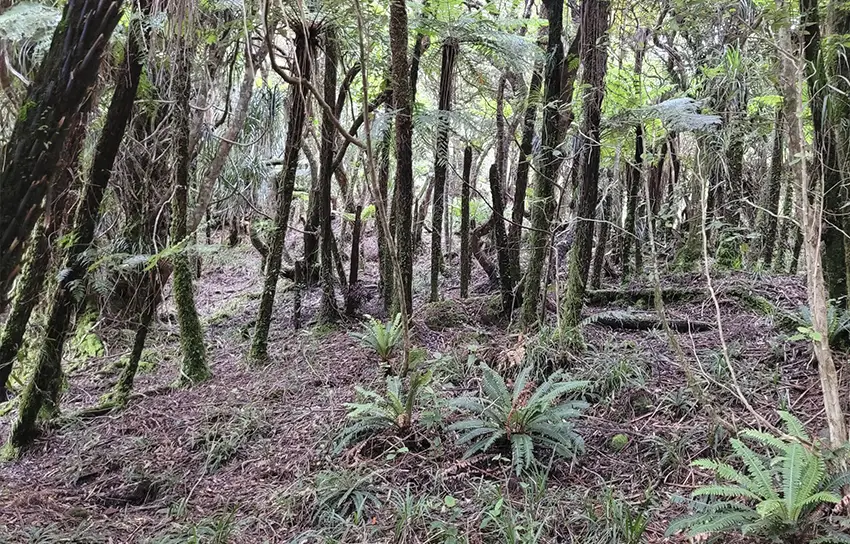
Walk through a healthy Coromandel forest and you’ll notice the understorey – young seedlings emerging, ferns unfurling, and shrubs filling the understorey that feeds and shelters wildlife.
“That understorey is where the next generation of the ngahere (forest) begins,” says Steve Bolton, Programme Lead Peninsular Ungulate Management, Whitianga District.
“When that layer is sparse, it’s a sign the forest is under pressure.”
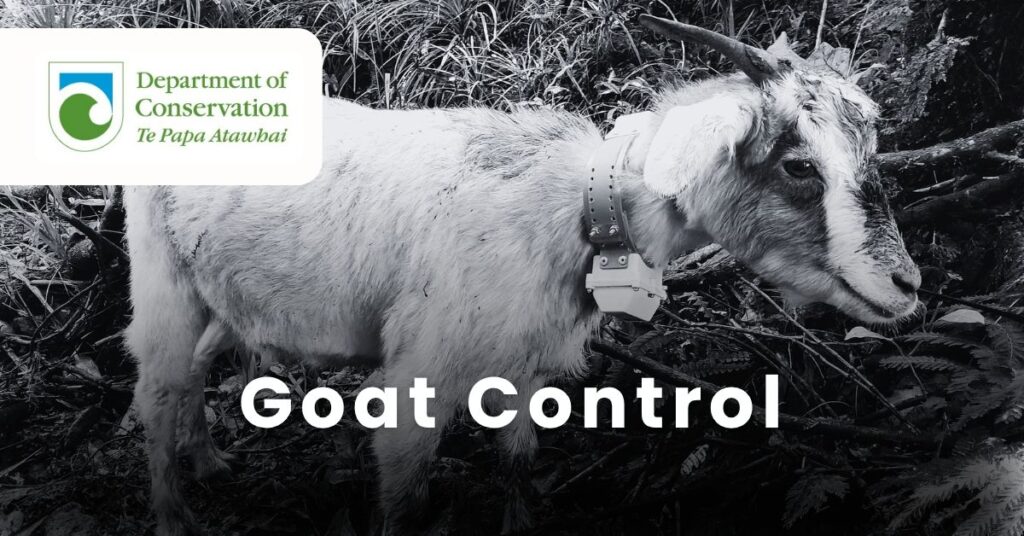
“One of the key drivers of the pressure on the understorey can be wild goats,” Steve says.
“Goats browse the foliage of most trees and plants and can rapidly strip vegetation within their reach, eating seedlings, saplings and leaf litter-fall from the forest floor. Over time, this damages the forest understorey and slows or stops regeneration.
“Goats often take favoured species first – such as broadleaf/pāpāuma and māhoe – before moving on to less desirable plants. That removes vital food and shelter for native animals,” Steve adds. “That’s why DOC runs an ongoing goat control programme across the Coromandel Peninsula – to control goats and protect our forest.”
A key focus is the Papakai Ecological Area, with forests ranging from lowland podocarp to sub-alpine communities, including kauri, tawa and northern rātā, with the rugged peaks of Papakai and Maumaupaki rising steeply to 822 metres. The Manaia Kauri Sanctuary sits at the northern end of this landscape, adding to the significance of protecting the wider forest ecosystem. Papakai is home to Coromandel brown kiwi and Archey’s frog, kākā, long-tailed bat, and special forest plants, including king fern, and Dactylanthus (pua o te reinga).
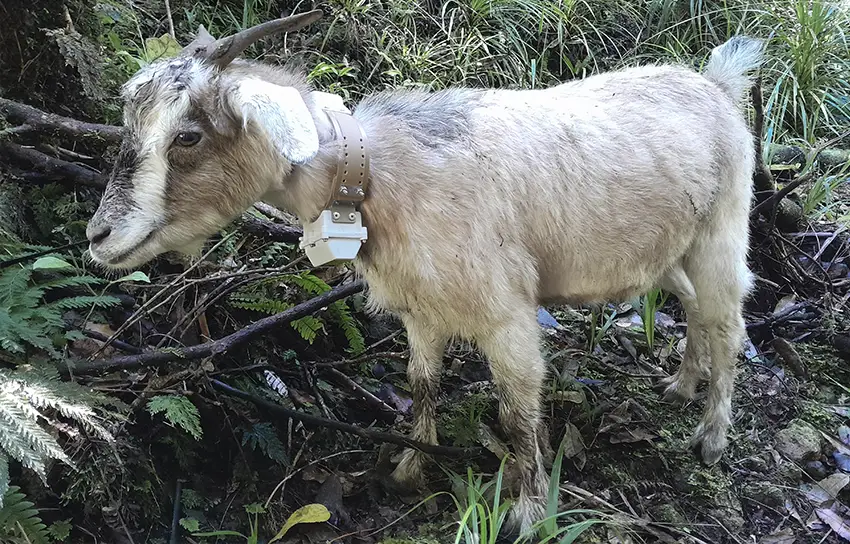
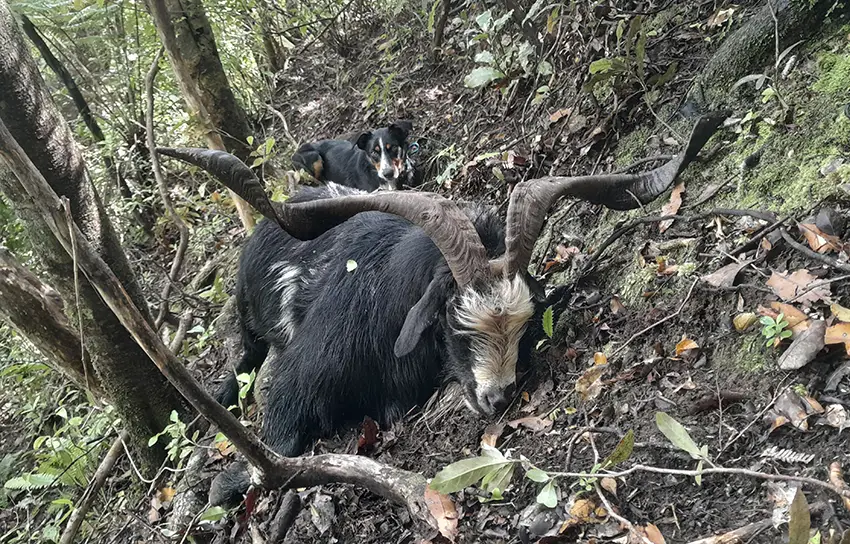
Control of goats is through various methods, according to Steve.
“Ground control is undertaken by skilled hunters working with trained bailing or indicating dogs to locate goats in dense bush,” Steve explains. “Dogs are fitted with GPS collars, and both hunters and dogs must meet certification standards.
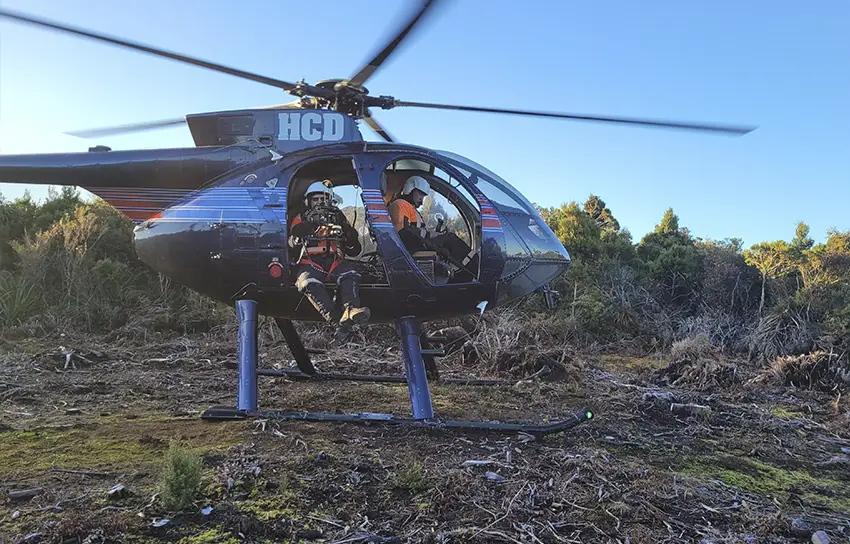
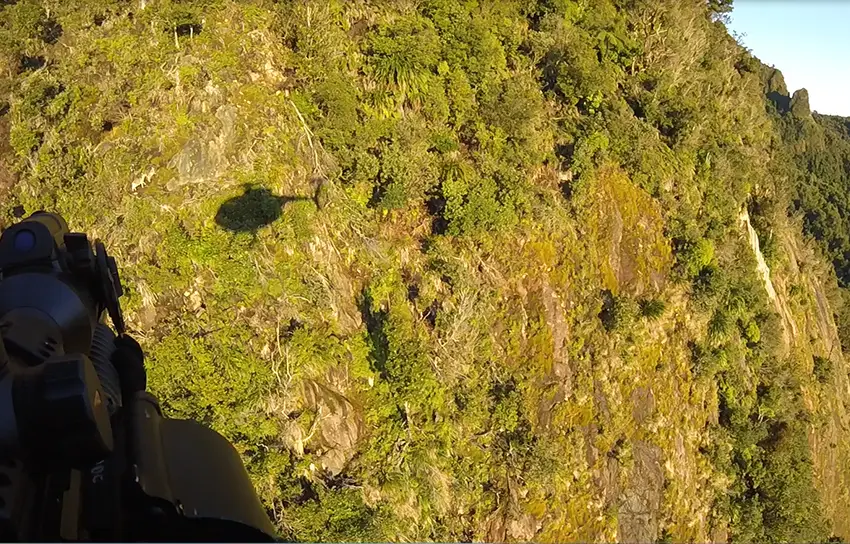
“Aerial control is used as the next step after ground control, particularly in steep, inaccessible terrain where hunters can’t safely operate on foot. Tools such as thermal detection and ‘Judas goats’ (collared goats used to locate others) can improve effectiveness, including Judas goats with GPS or radio telemetry collars, with strict requirements for positive identification before animals are controlled.
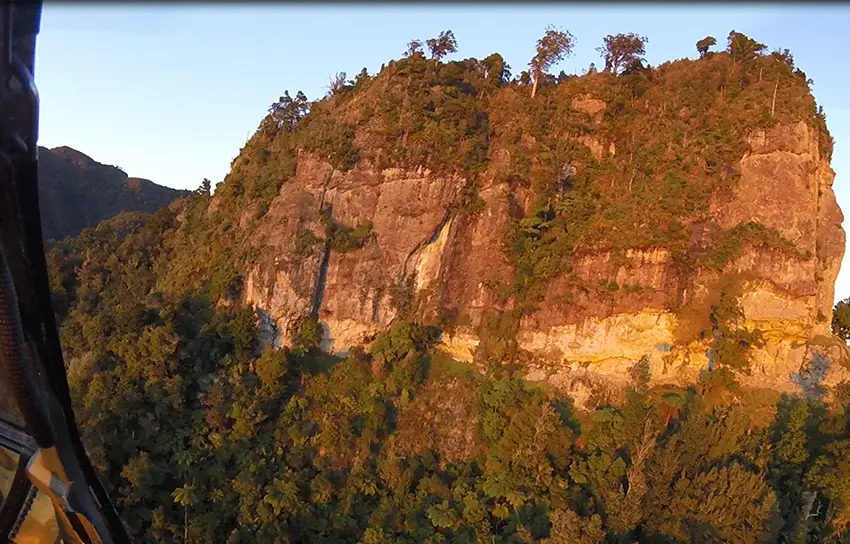
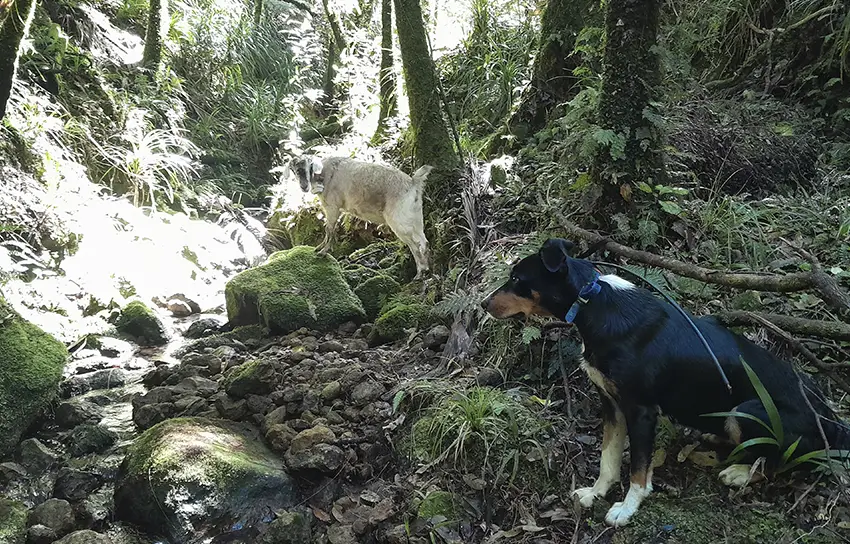
“The scale of work, and progress, is significant. In Papakai, 2,380 goats were removed between 2022 and June 2025, with a further 570 removed so far in the 2025-26 period. At Papa Aroha, control resumed in 2025 and has removed 109 goats to date. Across Northern Coromandel, Papakai and the Southern Forest, animals controlled as of June 2025 totalled 3,185.”
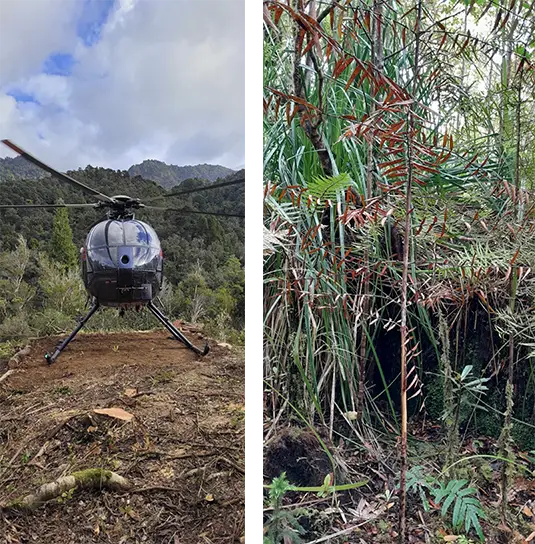
Goat control requires ongoing effort and follow-up.
“Goats were eradicated north of the Colville-Waikawau Bay Road in 2005/06, but a small population thought to be gone around Three Stone Bay was rediscovered in late 2023 – a reminder that follow-up and repeat visits are essential,” Steve says. “Sustained control protects the gains we make.”

Coromind: Coromandel’s Collaborative Magazine

Help us take Coromind Magazine to new heights by becoming a member. Click here
Change the Weather for Your Business: Advertise with Us.
Advertise your business in the whole Hauraki Coromandel in the coolest Coromandel Art Magazine, from Waihi Beach/Paeroa /Thames up to the Great Barrier Island.
Advertise Smarter, Not Harder: Get in Touch