The Firth of Thames and Kopuatai Peat Dome
When you picture New Zealand’s natural wonders, wetlands might not be the first thing that springs to mind. Yet these quiet, waterlogged landscapes are ecological powerhouses – filtering water, storing carbon, and providing sanctuary for our taonga species.
Two local wetlands, the Firth of Thames and Kopuatai Peat Dome, are so extraordinary they’ve earned international recognition under the Ramsar Convention on Wetlands, a global treaty dedicated to protecting these vital ecosystems. Wetlands are also taonga (treasures) for tangata whenua as mahinga kai – providing kai, plants for rongoā Māori (traditional medicine), and deep cultural and spiritual significance.
What is the Ramsar Convention?
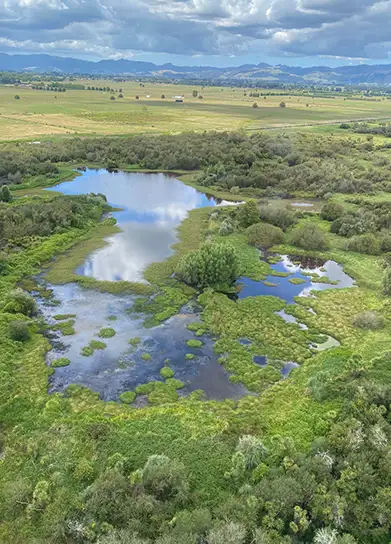
Signed in 1971 in Ramsar, Iran, this treaty focuses on wetlands – those peatlands, marshes and swamps that often go unnoticed hold a massive role in sustaining human and wildlife communities. The Department of Conservation is the lead agency for this Convention and manages most of New Zealand’s Ramsar sites. Much of Hauraki Biodiversity Ranger Rachel Langman’s mahi is based at these special places. “Protecting our wetlands isn’t just my job – it’s a privilege and they deserve our care,” says Rachel.“
From managing invasive pest plants and animals to managing water levels and collaborating with iwi and stakeholders, the mahi is hands-on and deeply rewarding.”
Firth of Thames: A Haven for Shorebirds
Stretching along the edge of the Tīkapa Moana/Hauraki Gulf, the Firth of Thames is a shimmering expanse of tidal flats – mudflats, shell banks, grass flats, mangrove forest, saltmarsh and freshwater margins.
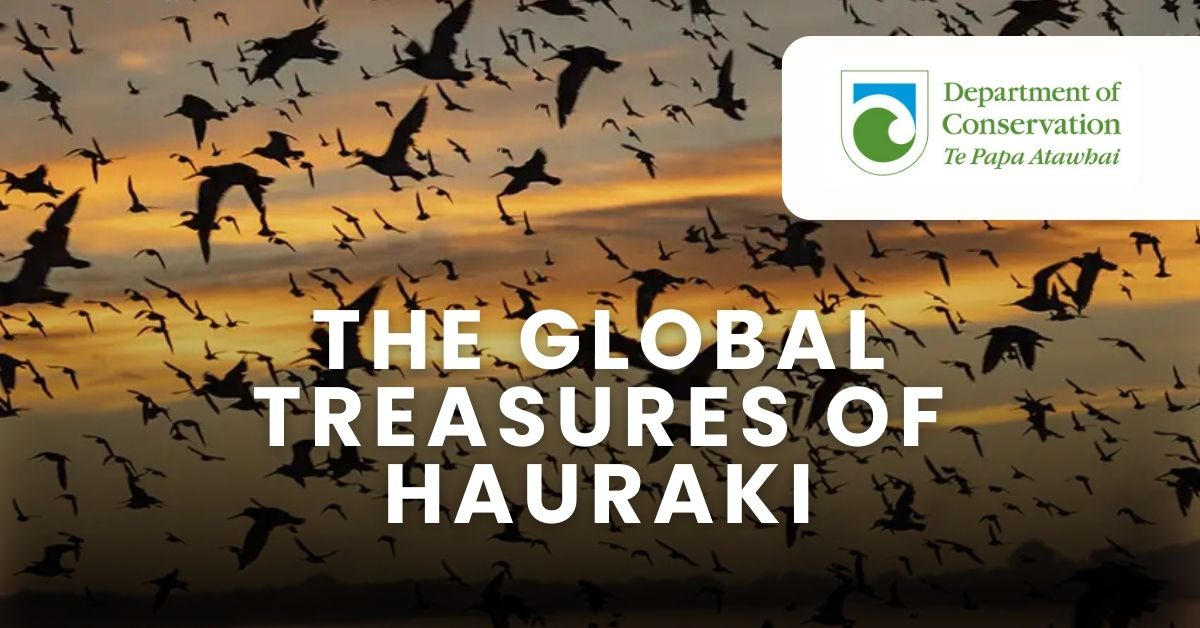
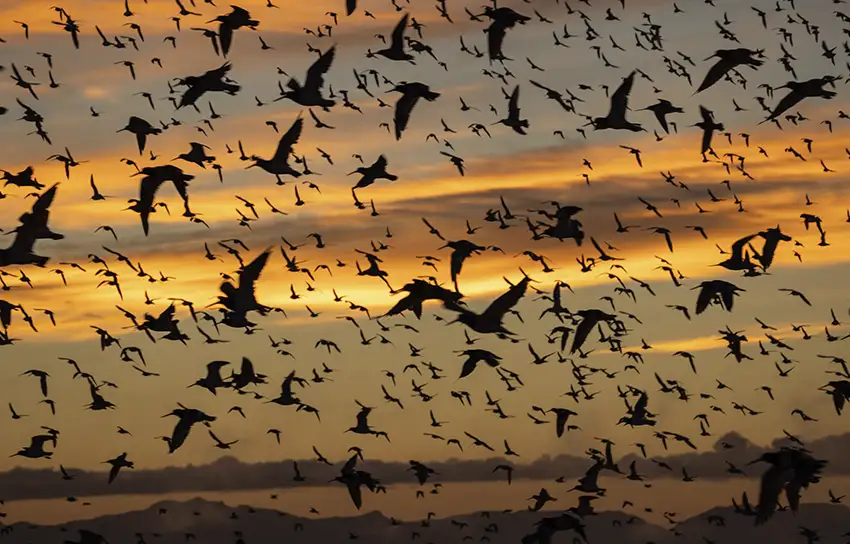
On the western shore of the Firth is Pūkorokoro Miranda – a hub for shorebird activity. Each summer, thousands of migratory shorebirds arrive from as far away as Alaska and Siberia, seeking refuge and food. Among them are kūaka/bar-tailed godwits, famous for their epic non-stop flight from Alaska to Aotearoa. “The Firth isn’t just a pit stop; it’s a lifeline and a bird lover’s dream,” says Rachel.
Rich mudflats teem with shellfish and worms, sustaining species like the wrybill, whose curved bill is perfectly adapted to probing riverbeds. For decades, the Pūkorokoro Miranda Shorebird Centre has provided advocacy and education to visitors and schools – proving that conservation starts with knowledge and passion.
Kopuatai Peat Dome: A Carbon-Storing Giant
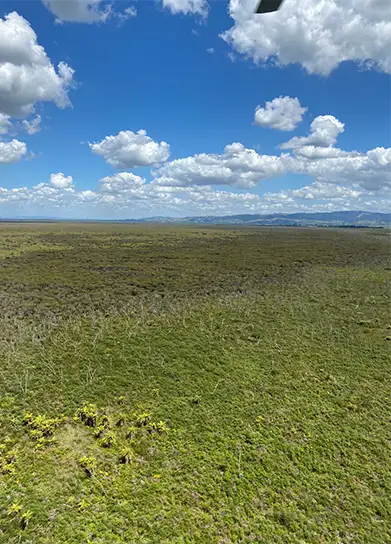
Travel inland and you’ll find a very different wetland, Kopuatai Peat Dome – the largest unaltered restiad peat bog in Aotearoa and largest intact raised bog in the Southern Hemisphere.
Covering 10,201 hectares, this dome acts as a natural sponge locking away greenhouse gases and helping to combat climate change. Beneath its surface lies a hidden archive of history – layers of peat that record centuries of environmental change.
“Kopuatai is a hidden botanical giant,” says Rachel. “The centre is dominated by wire rush and sedges, while the outer margins feature mānuka, cabbage trees, and kahikatea patches – habitat for rare species like the matuku hūrepo/Australasian bittern.”
Why Protect Wetlands?
Wetlands were often undervalued, drained for agriculture or development – yet they provide irreplaceable ecosystem services: flood control, water purification, carbon storage, and biodiversity.
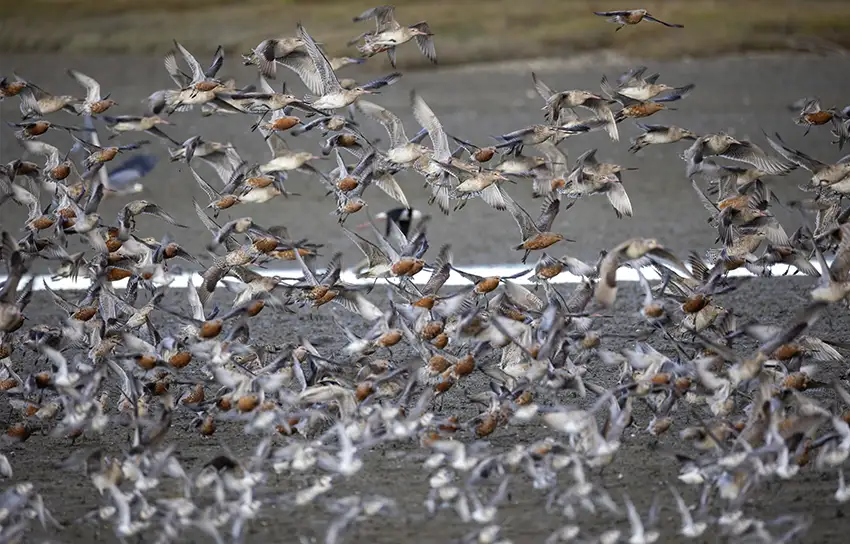
Losing them means losing these benefits – and the species that depend on them. By protecting special places like the Firth of Thames and Kopuatai Peat Dome, we’re keeping a global promise and making sure biodiversity and culture thrive for generations to come.
Learn more about wetlands here: www.doc.govt.nz
Coromind: Coromandel’s Collaborative Magazine

Help us take Coromind Magazine to new heights by becoming a member. Click here
Change the Weather for Your Business: Advertise with Us.
Advertise your business in the whole Hauraki Coromandel in the coolest Coromandel Art Magazine, from Waihi Beach/Paeroa /Thames up to the Great Barrier Island.
Advertise Smarter, Not Harder: Get in Touch